LD Food Machine

Exclusive provider of ILPRA and SOLLAS equipment in North America

Click to toggle navigation menu.

What Are the Best Filling Machines in 2026?

Choosing the best filling machines in 2026 means looking beyond headline speed. A line may promise thousands of containers per hour, yet struggle when bottle shapes change or a thick sauce leaves residue around the nozzle. Product viscosity, fill accuracy, container type, cleaning time, and available floor space all shape the right choice. Small details matter.

Toyota production expert Taiichi Ohno’s well-known warning, “Having no problems is the biggest problem of all,” offers a useful lens for evaluating equipment. A machine that runs smoothly in a showroom still needs to handle real shifts, routine adjustments, and occasional faults. This guide compares filling machines by application, filling method, throughput, flexibility, and ownership costs. It also considers controls, operator training, and how well a filler integrates with upstream and downstream equipment. The best fit is not always the fastest one. A slower machine may suit a small team better if changeovers are simple and reliable. That trade-off deserves a hard look. No single model wins for every product or plant, and published specifications rarely tell the whole story. Use the comparisons as a starting point, then confirm performance with your actual containers and product.
What Are the Best Filling Machines in 2026?

How Filling Machines Work and Which Products They Handle

Filling machines transfer a measured volume or weight of product into containers, then stop when the target is reached. Many systems use pumps, gravity, or timed valves. A sensor may detect each bottle, while a control panel adjusts fill volume and line speed. The right method depends on the product, container, and required accuracy.

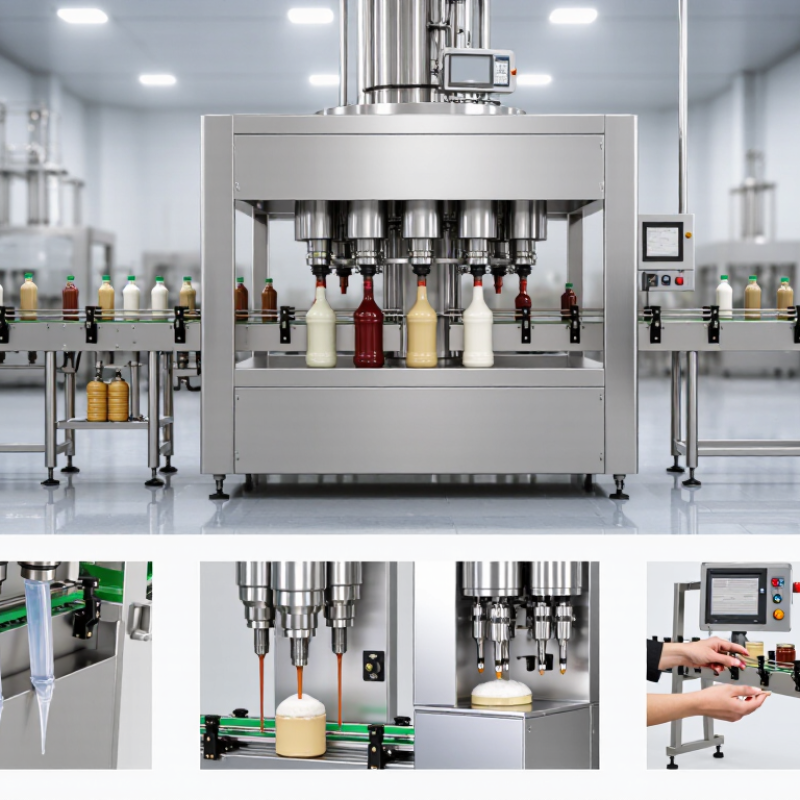
Thin liquids, such as juice or cooking oil, often run through gravity or flow-meter fillers. Thick products, including sauces, creams, and gels, need pumps that can move slowly without trapping too much air. A piston filler pushes a set portion into each container; a pump-based system can handle a broader range of textures. Powders and small granules usually need auger or weight-based filling, since dust and settling can affect consistency.

Small details matter.

A practical choice should account for cleaning, changeovers, and how the product behaves at different temperatures. A sauce that pours smoothly when warm may become stubborn as it cools. Machines also need to suit the bottle opening and prevent drips or splashes. Higher speed is not always better; it can increase spills or uneven fills. There is no single best machine for every product, and real production trials may reveal flaws that a specification sheet misses.

Which Types of Filling Machines Suit Different Products?

A filling machine should match the product’s flow, texture, and sensitivity—not just the container. For water and other thin liquids, gravity or overflow fillers can deliver consistent levels at useful speeds. Thick sauces, creams, and pastes usually need piston or servo-driven pumps; watch a sample move through the nozzle before choosing. It should not splatter or leave a long drip. Carbonated drinks need pressure filling to preserve carbonation, while powders often suit auger fillers that control dose by rotation. Products containing fruit pieces or grains need wider passages and gentle handling. Small details matter.

Packaging Machinery Market data from Grand View Research valued the global market at USD 52.83 billion in 2023 and projected 4.7% annual growth through 2030. That broad forecast does not identify one best filler, but it reflects demand across many packaging applications. For a real production line, compare the machine’s dosing range, changeover time, cleanability, and performance with your actual product. A pump that works for room-temperature cream may behave differently when the product is cold. I would test both. Ask suppliers for trial results using your own formulation and container, then check fill-weight variation across repeated runs. A glossy brochure is not a test.

How to Compare Accuracy, Speed, Hygiene, and Automation

Choosing a filling machine means comparing more than its advertised bottles-per-minute figure. Accuracy should be tested with the actual product, container, and target fill volume. Ask for repeated-run results, including average error and variation, not just one successful sample. A 2024-gram fill that drifts across a shift can create costly giveaway. Small details matter: foam, temperature, and nozzle shutoff can all affect results. I would request a production-style trial before deciding.

Speed only counts when the whole line can sustain it. Compare changeover time, cleaning downtime, and rejected containers alongside peak output. Hygiene needs equally practical checks: inspect product-contact surfaces, drainability, seals, and how quickly operators can access parts for cleaning. The WHO’s food-safety estimates put the annual global burden at about 600 million illnesses. That figure is not specific to filling lines, but it shows why cleanable design deserves serious weight.

Automation can reduce repetitive adjustments, yet it cannot fix poor setup or weak maintenance. Deloitte and MAPI’s 2019 Smart Factory Study found that 86% of surveyed manufacturing executives expected smart-manufacturing investment to be a key competitiveness driver by 2025. Treat that as a direction, not a guarantee for every plant. Ask whether sensors record fill deviations and whether operators can trace a fault to a nozzle or batch. A caveat: published line speeds rarely reflect your product. Test under real conditions, and leave room for a disappointing result.

Best Filling Machines in 2026 by Industry and Application

The best filling machine in 2026 depends on the product, container, and production target. For sauces, creams, and other thick products, piston fillers can deliver controlled portions with less mess around the nozzle. Thin beverages may suit gravity or overflow systems, while carbonated drinks need equipment designed to manage pressure. Foamy liquids need special attention: a fast fill can create bubbles and inconsistent levels. Small details matter.

Cosmetics and household products often change viscosity with temperature, so test the machine using product at realistic operating conditions. For powders, an auger filler can provide repeatable dosing, but dust control and hopper flow deserve close inspection. Chemical applications call for compatible seals and wetted materials. In pharmaceutical production, cleanability, documented settings, and traceability may be as important as filling speed. A brochure speed is not a production result.

Compare machines using your actual containers, from the smallest bottle to the largest format. Check fill accuracy at startup and near the end of a run, then measure cleaning and changeover time. Ask how the system handles drips, foam, and product left in the hopper. Pilot tests can reveal awkward issues that specifications miss. It is easy to overlook those. A machine that fills slightly slower may still be the better fit if it reduces waste and keeps operators’ adjustments simple.

What to Check Before Choosing and Installing a Filling Machine

Choosing a filling machine starts with the product, not the advertised speed. Map its viscosity, temperature range, foaming behavior, and particle size. A thin liquid may suit a different filling method than a thick sauce. Even small temperature changes can alter flow. Small details matter.

Check the container range before ordering. Measure bottle height, opening diameter, and material, then confirm the machine can handle real production samples. A published speed is not enough; test the target fill volume and acceptable accuracy across several runs. Watch for splashing, drips, and containers that wobble on the conveyor. It is easy to overlook changeover time, but frequent format changes can slow a line more than expected.

Before installation, compare the machine’s footprint with the actual room layout. Leave space to reach valves, remove nozzles, and clean underneath. Confirm power, compressed air, drainage, and any required connection points with the site team. Then test it. Run the product through the complete line, not just the filler, and check startup, shutdown, and restart behavior. Record the settings that work. They may need adjustment later, especially if the product or container changes.