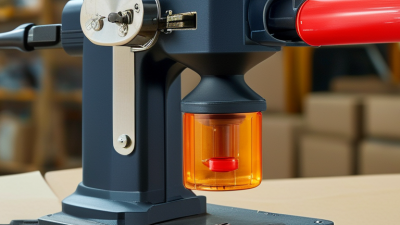
What Is the Best Sealing Machine for Global Buyers in 2026?
Choosing the best sealing machine for global buyers in 2026 requires more than comparing price tags. Product material, seal width, production speed, voltage, and service access all matter. A machine that performs well in a dry warehouse may struggle in a humid coastal factory. Small details can become expensive problems.
Dr. Ioannis S. Arvanitoyannis, a recognized food-packaging scholar, has stated, “Packaging is an integral part of the food system, not merely a container.” This principle also applies to industrial sealing. The machine must protect contents, maintain consistent seals, and fit the operator’s daily routine. Buyers should examine temperature control, sealing pressure, conveyor design, spare-part availability, and cleaning requirements. Watch the seal line closely.
This guide compares continuous band sealers, impulse sealers, vacuum sealing systems, and automated options for different markets. It considers films, pouches, cartons, and changing production volumes. Energy use matters too, especially where operating costs remain unstable. Compliance with local safety and electrical standards cannot be ignored. Neither can training. A sophisticated sealing machine may fail commercially if workers find it difficult to adjust. That is an uncomfortable truth.
No single model is perfect. Some machines promise high speed but provide limited support after installation. Others are affordable but lack precise controls. Global buyers should test real packaging samples before making a final decision. A short factory demonstration may reveal wrinkles, weak seals, or overheating that brochures never mention. Reliable purchasing requires evidence, not optimism.
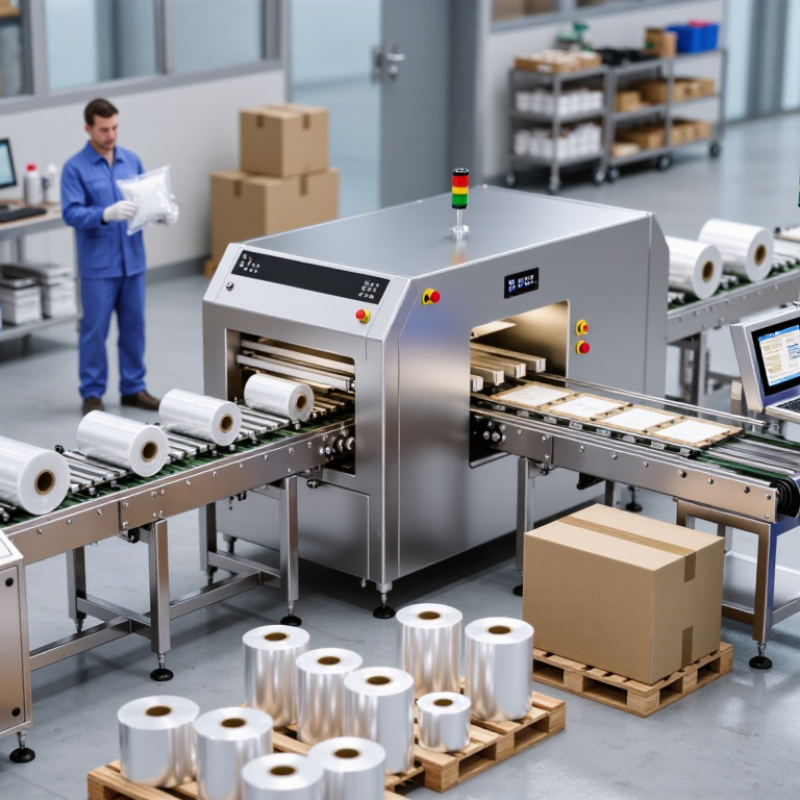
What Makes a Sealing Machine Suitable for Global Buyers in 2026?
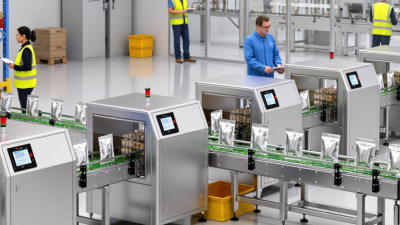
For global buyers in 2026, a suitable sealing machine must work beyond a showroom demonstration. It should match local voltage, plug standards, film materials, and daily production volume. Adjustable sealing temperature matters when products move between thin pouches and heavier laminated bags. A stable conveyor and clear controls reduce training time for operators in different countries. Simple matters more. Buyers need technical specifications and test samples, not attractive promises.
From practical evaluations, I check seal strength after repeated heating and cooling. I also inspect the seal when dust, moisture, or uneven filling reaches the bag mouth. A machine suitable for international use should offer replaceable heating elements and commonly available electrical parts. Clear manuals, wiring diagrams, safety instructions, and remote troubleshooting support improve reliability. Export packaging deserves attention too. A damaged control panel can turn a dependable machine into an expensive delay.
The best choice depends on more than speed. Energy use, cleaning access, noise, footprint, and maintenance skills affect long-term value. I once favored a faster model, but its narrow adjustment range caused inconsistent seals. That experience remains a useful warning. Buyers should request sample testing with their actual bags and products before ordering. They should also confirm service response times, spare-part availability, and operator training. No specification sheet reveals everything. A careful trial often exposes small weaknesses before they become costly international problems.
How to Compare Speed, Seal Quality, and Material Compatibility
What Is the Best Sealing Machine for Global Buyers in 2026?
Choosing a sealing machine starts with the package material, not the advertised speed. In packaging trials, I compare output rate, heating stability, and operator control. A fast machine can weaken seals when products create pressure inside the pouch. Speed must remain consistent during long production runs. Watch the line carefully.
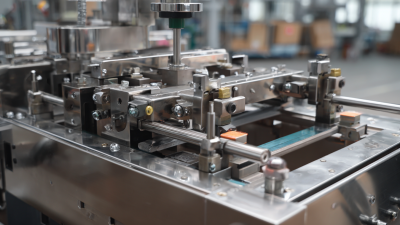
Seal quality depends on temperature, pressure, and dwell time. These settings should match the film structure and thickness. I check seal width, wrinkles, burn marks, and open corners. A simple peel test can reveal weak bonding before shipment. For stronger evidence, I test sealed samples after cooling and handling. A clean appearance does not always prove a reliable seal.
Material compatibility often decides the final purchase.
Polyethylene, polypropylene, laminated foil, and coated paper may require different sealing ranges. Ask for sample trials using your actual packaging, not a similar substitute. I once judged a material too quickly because the first seals looked excellent. Later, uneven cooling exposed fragile edges. That mistake still influences my testing process. Buyers should also verify voltage options, spare parts, safety controls, and service support for their destination. A machine that performs well in a showroom may behave differently in a humid factory. Reliable decisions come from measured trials, documented settings, and honest attention to limitations.
What Global Buyers Should Check in Automation, Safety, and Compliance
What Is the Best Sealing Machine for Global Buyers in 2026?
Global buyers should judge sealing machines by repeatable performance, not impressive speed alone. In production trials, operators often discover that unstable heat causes wrinkled films, weak seals, and product waste. Check temperature control accuracy, sealing pressure, dwell time, and cooling behavior. These settings should remain stable during long shifts.
Automation must also fit the actual workflow. Look for sensors that detect missing packages, open guards, and incorrect film placement. A clear control panel helps operators respond without guessing. Data logging can record temperature, alarms, maintenance actions, and batch details.
Useful traceability.
However, advanced software is not automatically better. Complex screens may slow training and create avoidable mistakes.
Safety checks
Safety checks should include guarded heating areas, emergency stops, safe access points, and restart protection after power loss. Ask for a documented risk assessment and practical maintenance instructions.
Compliance and testing
Compliance needs equal attention. Confirm electrical requirements, machine documentation, labeling, and applicable standards in each destination market. Manuals should be understandable to local operators. Spare parts should have clear specifications and realistic delivery times. Factory acceptance testing is worth requesting, although it can reveal problems earlier than expected. A machine may pass a demonstration and still struggle with your real packaging material. Test your film, product shape, speed, and working environment before making the final decision.
How to Evaluate Total Cost, Suppliers, Support, and Future Scalability
What Is the Best Sealing Machine for Global Buyers in 2026?
In 2026, global buyers should judge sealing machines beyond purchase price. A low-cost unit may consume more film, electricity, and labor during daily production. Ask for measured output, seal temperature range, power demand, and changeover time. In my equipment evaluations, a five-minute adjustment repeated fifty times daily becomes a serious labor cost. Request a total-cost worksheet covering freight, installation, spare parts, training, maintenance, downtime, and disposal. Do not trust optimistic estimates alone.
Supplier reliability matters as much as machine performance. Check factory history, export experience, technical documents, and response times. Request references from buyers using similar materials and production volumes. Reliable support should include manuals, remote diagnostics, technician availability, and stocked replacement parts near your operating region. This area needs caution. Written promises can sound stronger than actual service. Clarify warranty exclusions and travel costs. For future scalability, review compatible sizes, modular conveyors, software access, and capacity upgrades. Buying maximum capacity too early can waste cash. Growth forecasts are often wrong.
Tips:
Run a live test with your actual packaging materials. Record seal strength, rejection rates, noise, and operator steps. Ask the supplier to repeat the test after a simulated eight-hour shift. Inspect the finished seals closely. Small wrinkles matter. Also, leave physical space around the machine for cleaning and repairs. A compact installation may look efficient today but create expensive obstacles later.