LD Food Machine

Exclusive provider of ILPRA and SOLLAS equipment in North America

Click to toggle navigation menu.

10 Best Sealing Machines for Packaging in 2026

Choosing among the 10 best sealing machines for packaging in 2026 starts with the product, not the price tag. A pouch of coffee, a tray of ready-to-eat food, and a padded mailer need different sealing approaches. Film thickness, package dimensions, production speed, and seal strength all matter. A machine that performs well in a showroom may behave differently during a long production run.

Packaging educator Walter Soroka defines packaging as “the science, art and technology of enclosing or protecting products for distribution, storage, sale, and use.” That perspective is useful when assessing a sealing machine: a neat seal is not enough if it fails to protect the contents or suit the workflow. Look closely at temperature control, sealing pressure, cycle speed, operator safety, cleaning access, and maintenance support. Ask suppliers about material compatibility, then test representative packages under real operating conditions. Watch the seal edges. Check for wrinkles, gaps, and inconsistent bonding.

Small details count.

This guide compares options for different production needs, from compact tabletop units to automated systems. It considers practical features alongside stated capabilities, while recognizing that published speeds and results depend on materials and operating conditions. No single model fits every line. Some comparisons may still leave questions; hands-on trials and clear supplier documentation are essential before purchase.
10 Best Sealing Machines for Packaging in 2026

What Packaging Sealing Machines Do and How They Work

Packaging sealing machines close bags, pouches, trays, and other packs by joining their edges or applying a closure. For flexible film, heat-sealing jaws press two layers together at a controlled temperature and pressure for a set dwell time. The material softens, bonds, and cools into a seam. Small changes matter: a wrinkled film edge or a crumb caught in the seal can create a leak. Some machines use continuous heated belts for moving packs; others use impulse jaws that heat only during each sealing cycle. Vacuum models remove air before sealing, when the product and pack design call for it. The seal is not automatically reliable just because it looks neat.

Choosing equipment means matching the sealing method to the material, pack size, and production speed. Operators typically check jaw temperature, pressure, and dwell time, then inspect seals and test samples for leaks or opening strength. These settings need rechecking when film thickness or line speed changes. PMMI’s 2024 State of the Industry report put U.S. packaging machinery shipments at about $10.9 billion in 2023, reflecting the scale of equipment used across packaging operations. The Flexible Packaging Association reported a $42.9 billion U.S. flexible packaging industry for 2023, where dependable seals help protect products during handling and storage. One awkward truth: a faster line can make a weak setting harder to notice. A simple, documented seal check still matters.

Key Factors for Evaluating Sealing Machines in 2026

Choosing a sealing machine starts with the package, not the advertised speed. Match the sealing method to the film, pouch, or tray, and check the material’s thickness and heat tolerance. A seal that looks smooth may still leak, so test samples under realistic filling and handling conditions. Small details matter.

Throughput should reflect actual production, including loading, changeovers, and pauses—not just the machine’s maximum cycle rate. Compare seal consistency across a full run. Adjustable temperature, pressure, and dwell time help operators tune results when materials or room conditions change. Clear controls also reduce guesswork during setup. Keep a record of settings that work.

Consider cleaning access, routine maintenance, and the space needed around the machine. Ask how quickly wear parts can be inspected or replaced, and whether operators can reach controls without awkward movements. A compact unit may save floor space, yet leave too little room for safe loading. That trade-off is easy to miss. Noise, energy use, and available technical support also deserve attention, though they can be overlooked when a purchase is judged mainly by speed.

Main Types of Packaging Sealing Machines and Their Uses

Packaging sealing machines are chosen by material, product, and production pace. Impulse heat sealers use brief bursts of heat to close compatible plastic pouches. They suit small batches, sample rooms, and workstations where operators seal bags by hand. The jaws stay cool between cycles, which can reduce unnecessary heating. Speed matters.

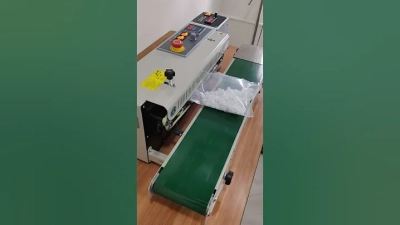
Constant-heat sealers keep their sealing surfaces warm, making them useful for thicker films and some laminated materials. Continuous band sealers move bags along a heated belt, so they fit steady production runs. Operators can adjust conveyor speed and temperature, but those settings need testing with the actual packaging. A neat-looking seam is not always a strong one.

Vacuum sealers remove air before closing a pouch, helping protect foods or components that benefit from reduced oxygen exposure. Induction sealers bond a foil liner to a container opening; they are common where a tamper-evident inner seal is needed. Not every line needs one. For small volumes, setup time and maintenance may outweigh the speed advantage. Match the machine to the seal material, package shape, and daily output, then check sample seals for wrinkles, gaps, or weak edges. A little production waste during testing is frustrating, but skipping the test can cost more.

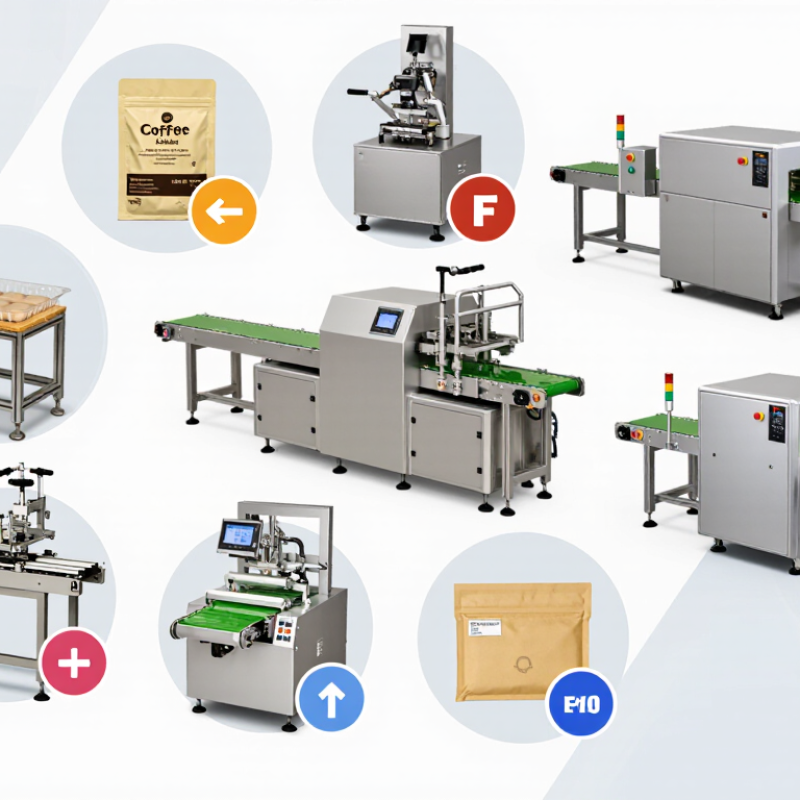
10 Packaging Sealing Machine Types: Typical Package Fit

A qualitative guide to common uses. Ratings indicate typical suitability, not measured performance: 1 = limited, 2 = suitable in some setups, 3 = common use. Actual compatibility depends on packaging material and machine configuration.

Impulse, constant-heat, and band sealers commonly close flexible bags. Vacuum chamber machines evacuate air from compatible pouches; tray sealers seal lidded trays and may support vacuum or modified-atmosphere packaging. Induction and cap sealers are used with rigid containers, while tube sealers close compatible tubes.

Ten Leading Sealing Machines for Packaging in 2026

In 2026, the leading sealing machines are defined by the package, material, and production pace they handle. An impulse sealer suits short runs and flexible pouches; its heated bar seals only when pressed. Continuous band sealers move bags along a heated track, making them useful for steady output. Vacuum chamber machines remove air before sealing, while tray sealers bond film to filled trays. Each needs suitable packaging materials.

Induction cap sealers create foil seals beneath compatible container caps. Hot-bar sealers apply pressure and heat to thicker films. Ultrasonic sealers use vibration, which can help when heat-sensitive products are nearby. Shrink-seal systems close and tighten compatible film around a product. Form-fill-seal machines form packages from rollstock, fill them, and seal them in one process. Tube sealers close filled plastic or laminated tubes. That is a varied field.

There is no universal ranking: a machine that excels on a fast line may be wasteful for small batches. Check seal strength, changeover time, cleaning access, and the exact film or container specification. Run samples at realistic speeds before buying; a neat seal on a bench can behave differently during a full shift. Operators sometimes overlook this. A simple setup may outperform an advanced system when products change often.

How to Choose a Machine for Your Packaging Requirements

Choosing a sealing machine starts with the package, not the catalogue. Identify the film structure, bag width, seal style, and product temperature. A dry powder, oily snack, and chilled pouch can behave differently at the sealing jaws. Ask suppliers to test your actual film and filled packages. Check seal strength and leaks, not just the machine’s stated speed.

Capacity claims need context. PMMI’s 2024 State of the Industry report estimated U.S. packaging machinery shipments at $10.9 billion in 2023, reflecting substantial investment across varied production needs. The Flexible Packaging Association’s 2024 industry report put U.S. flexible-packaging revenue at $42.9 billion in 2023. Those figures show a broad market, not a universal machine choice. Compare your normal output and peak demand, then allow for changeovers, cleaning, and operator access.

Watch the seal closely. Is powder caught in the seam? Does the film wrinkle when the jaws close? For short runs or frequent format changes, setup time may matter more than top speed. For long runs, consistent temperature, pressure, and dwell time become critical. A neat spec sheet can still mislead. Request sample packs from a production-like trial, and inspect them after handling and storage. If the package changes often, leave room in the budget for adjustments; I would not assume the first settings will be right.