LD Food Machine

Exclusive provider of ILPRA and SOLLAS equipment in North America

Click to toggle navigation menu.

How to Choose the Best Tray Sealing Machine?

Choosing a tray sealing machine is less about buying the fastest model and more about matching equipment to real production needs. The right choice depends on tray size, material, film type, sealing method, and the number of packs required per shift. A machine that looks impressive in a showroom may struggle with a shallow tray, a slippery film roll, or frequent product changes. Small details matter.

A practical principle for this guide comes from a clearly illustrative, composite packaging specialist, Alex Morgan: “Test the tray, film, and seal together—not the machine in isolation.” This is an original editorial line, not a quotation from a verified interview. It reflects a useful evaluation method: run your actual packaging materials, inspect seal consistency, and note changeover time. Watch the operator’s hands, too. Awkward loading can slow a line.

This outline will help buyers compare manual, semi-automatic, and automatic systems; assess throughput and sealing performance; and consider cleaning, maintenance, and future flexibility. It will also explain which questions to ask suppliers and how to judge a trial. No single tray sealing machine suits every operation. Some buyers may overvalue headline speed. That is an easy mistake. A careful trial, with ordinary staff and production materials, can reveal issues a brochure leaves out.
How to Choose the Best Tray Sealing Machine?

Define Your Tray Sealing Requirements

Define Your Tray Sealing Requirements

Before comparing machines, write down what the package must do. Measure each tray’s length, width, depth, and rim shape, including small variations between production batches. A tray that looks rectangular may have rounded corners or a slightly raised lip. Those details can affect sealing pressure and film alignment. Bring actual samples, not just drawings, when discussing equipment with a supplier.

Consider the product, too. A dry snack, a moist meal, and a delicate item place different demands on the seal. Note whether the package needs a tight seal, modified-atmosphere capability, easy opening, or visible product presentation. Be specific about daily output and peak demand. A target of 20 trays per minute means little if operators can only load 12 consistently. Measure the full workflow, including filling, loading, and changeovers. Small details matter.

Then define your operating conditions. Record available floor space, power supply, operator experience, and cleaning routines. If several tray sizes are used, estimate how often changeovers occur and how much downtime is acceptable. Some requirements will be uncertain at first. That is normal, though assumptions should be tested with sample trays and film. We once treated a rarely used tray size as an exception; it later became a regular production item. Leave room for realistic variation, but avoid paying for features your process will not use.

Compare Tray Sealing Machine Types

How to Choose the Best Tray Sealing Machine?

Compare Tray Sealing Machine Types

Manual and semi-automatic sealers suit short runs, frequent product changes, and limited floor space. An operator loads each tray, positions film, and starts the cycle. This keeps setup simple, but output depends heavily on staff pace. Watch a full shift, not just a short demonstration.

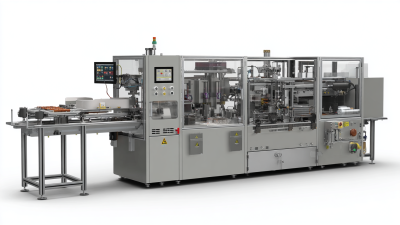
Automatic inline machines feed trays through sealing stations with less manual handling. They fit steady, higher-volume production, but need more space and consistent tray dimensions. For shops handling several tray sizes, changeover time matters as much as rated speed. The Grand View Research report on food packaging estimated the global market at $363.5 billion in 2022, with projected growth of 5.3% annually through 2030. This broad market figure signals packaging’s scale; it does not predict demand for any one sealer type.

Vacuum and gas-flush models remove air or replace it with a controlled gas mix, while skin-pack systems pull film closely over the product. Choose by product fragility, desired shelf life, and packaging format—not by machine labels alone. A delicate fillet may need a gentler cycle than firm prepared food. Small detail. Ask suppliers to seal your actual trays and film, then inspect seal edges and leaks. Tests can be messy. That is useful: real production rarely behaves like a perfect showroom run.

How to Choose the Best Tray Sealing Machine?

Compare common tray sealer types by their typical level of automation. The 1–4 scale is a qualitative comparison, not a measured throughput rating; actual capabilities vary by machine configuration.

How to read the chart: Manual sealers require the most hands-on operation. Semi-automatic models automate part of the sealing cycle, while automatic inline and rotary systems are designed for more automated production. Consider production volume, available space, labor, and changeover needs when choosing a machine.

Evaluate Capacity, Seal Quality, and Automation

Choosing a tray sealing machine starts with measuring actual production needs, not a supplier’s maximum-speed claim. Count trays per minute during a typical shift, then allow room for busy periods and product changes. Check tray dimensions, film width, and how quickly operators can reload materials. A machine that runs fast but requires frequent stops may reduce real output. Capacity is more than speed.

Seal quality protects the product and reduces rework. Ask for trials using your trays, film, and food, since small changes in rim shape or moisture can affect the seal. Inspect samples for wrinkles, gaps, and uneven edges. Test seals after cooling, not just straight off the machine. Results can vary; that is worth checking.

Tips: Confirm how temperature, pressure, and dwell time are adjusted. Look for clear controls, accessible cleaning points, and safety features that suit your workflow. Automation can reduce repetitive handling, but it may add setup and maintenance demands. Watch a full changeover, and ask who will troubleshoot routine faults. A short demonstration is not the whole story.

Check Tray Compatibility, Safety, and Sanitation

How to Choose the Best Tray Sealing Machine?

Check each tray’s length, width, depth, rim shape, and material against the machine’s tooling. A small mismatch can create wrinkles or weak seals, especially around corners. Test the actual tray and lidding film together, using realistic product fill levels. Record seal temperature, pressure, and dwell time. Then inspect several samples, not just one. Fit matters.

Safety and sanitation deserve equal attention. Check for accessible emergency stops, guards around moving parts, and protection from hot sealing plates. For cleaning, look for smooth surfaces, few crevices, removable parts, and areas that drain instead of holding wash water. The FDA Food Code 2022 provides useful equipment-cleanability guidance, though local requirements may differ. CDC estimates that foodborne illnesses affect about 48 million people in the United States each year. That figure makes hygiene a practical operating concern, not a cosmetic one. A clean-looking seal is not proof of a clean machine. Build cleaning checks into the routine, and verify hard-to-see areas. I would not assume a quick visual check is enough.

Assess Installation Needs and Total Ownership Costs

Installation costs begin before the sealer arrives. Measure doorways, aisle turns, ceiling clearance, and the distance to power, compressed air, and drainage. A machine that fits on a drawing may still block a forklift route. Ask the supplier for utility loads, foundation requirements, and commissioning hours in writing. Then price electrical work, air-line changes, guarding, operator training, and production downtime. Small details matter. The U.S. Department of Energy’s Improving Motor and Drive System Performance report estimates that motor-driven systems account for about 54% of electricity use in U.S. manufacturing. That figure is not a tray-sealer estimate, but it shows why facility energy loads deserve review.

Compare ownership costs over the same expected service period, not just purchase prices. Include film waste during setup, seal-tool changes, cleaning labor, spare parts, software support, and planned maintenance. The U.S. Energy Information Administration reported an average industrial electricity price of 8.14 cents per kilowatt-hour in 2023; use your local tariff and the machine’s measured consumption for a credible estimate. NIST Handbook 135 provides a life-cycle-cost framework that can help organize purchase, operating, and maintenance expenses. Ask for maintenance intervals and typical changeover times, then test them against your own product mix. That estimate can mislead. Actual output, rejected packs, and service access may differ from a demonstration, so leave assumptions visible and revisit them after installation.