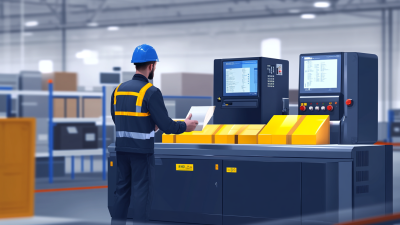
How to Choose a Tray Sealing Machine for Your Business
Choosing a tray sealing machine is a process decision, not simply a purchase decision. Product texture, tray material, film type, output speed, and cleaning routines must work together. A machine that seals 120 trays per minute may still fail your operation. It may create excessive waste, difficult changeovers, or uneven seals around wet products.
Industry data shows why careful selection matters. Smithers’ The Future of Packaging to 2028 projects the global packaging market will grow from approximately $1.17 trillion in 2023 to $1.33 trillion by 2028. That growth increases pressure on producers to improve efficiency, shelf life, and resource use. PMMI’s 2024 State of the Industry report also identifies labor availability, automation, and flexible production as major packaging priorities. These reports do not measure every tray sealing machine application. That limitation deserves attention.
MULTIVAC packaging specialist Thomas Becker advises, “The machine must be selected around the product, not the product around the machine.” This practical principle is easy to overlook. A chilled ready meal, fresh meat tray, and bakery product may require different sealing temperatures, vacuum settings, tooling, and hygiene controls. EHEDG guidance further supports hygienic equipment design, especially where food residues can collect beneath frames or conveyors.
The right choice depends on evidence. Test your actual trays and films. Measure seal integrity, oxygen levels, changeover time, cleaning effort, and rejected packs. Speak with operators, not only suppliers. Their experience can reveal problems that brochures rarely show. Mistakes are possible, especially when future capacity is guessed too confidently. A reliable evaluation leaves room for correction.
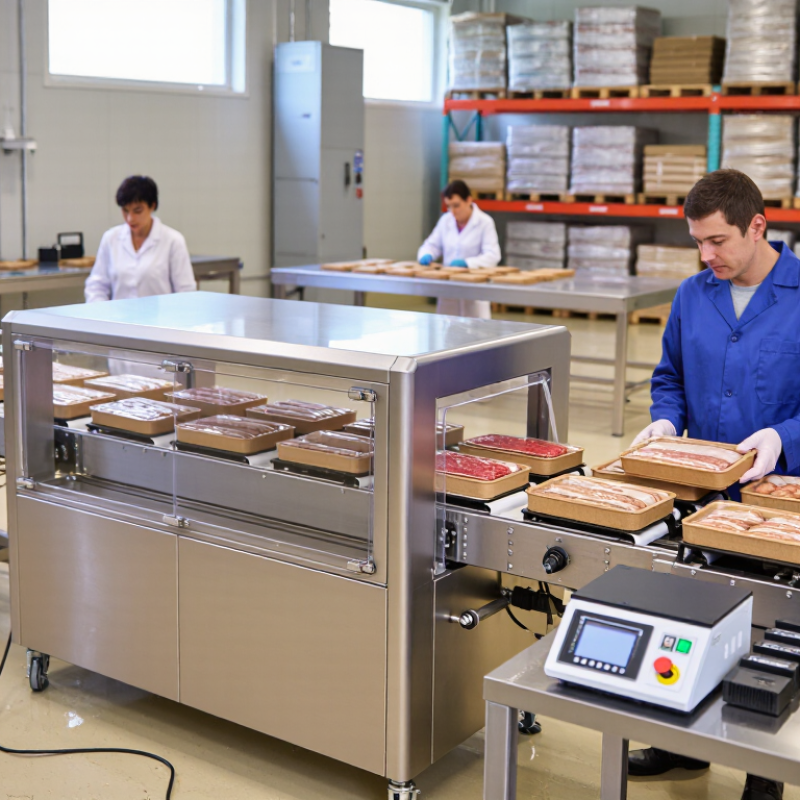
Define Your Products, Tray Formats, and Sealing Requirements
Choosing a tray sealing machine starts with the product, not the machine.
Record temperature, moisture, oil content, shape, and shelf-life targets. Fresh meat may need vacuum or modified-atmosphere sealing, while prepared meals may require leak resistance and reheating performance. The seal must survive filling, transport, chilling, and customer handling.
Tray format matters just as much.
Measure length, width, depth, flange design, and material stiffness. A shallow tray can run quickly but may spill during loading. A deep tray may need stronger film control and longer sealing time.
According to FAO, 13.2% of food is lost between harvest and retail.
Better packaging cannot solve every loss, but poor seals can clearly worsen it. Test real products, not empty trays.
Define production needs before comparing equipment.
Estimate trays per minute, changeover frequency, gas-flushing requirements, cleaning routines, and available floor space.
PMMI reported that U.S. packaging machinery shipments reached approximately $10.2 billion in 2022, reflecting strong investment in automated packaging systems.
Still, higher automation is not always better. A small operation may lose money through unnecessary complexity. Check seal strength, leak rates, film waste, and operator workload during trials. We have seen specifications look excellent on paper, then fail when sauces reach the flange. That uncomfortable result is useful. Reconsider the tray, loading method, or sealing temperature before purchasing.
Compare Sealing Methods, Automation Levels, and Performance Features
Choosing a tray sealing machine starts with the sealing method. Heat sealing suits many ready-meal and fresh-food trays. It creates a clean, consistent closure when temperature and pressure remain stable. MAP sealing adds gas flushing, which can support longer shelf life. However, it also requires tighter control of gas quality, film, and leak testing.
Automation level should match your daily production, not your ambition. Manual machines can suit low-volume lines and frequent product changes. Semi-automatic systems reduce operator movement while preserving flexibility. Fully automatic equipment supports continuous loading, film feeding, sealing, cutting, and discharge. PMMI’s 2024 packaging reports identify labor availability and automation investment as continuing industry pressures. The decision is practical: measure trays per minute, changeover time, staffing, and rejected packs.
Performance features deserve close inspection. Look for digital temperature control, adjustable dwell time, recipe storage, tool-free changeovers, and automatic film tracking. Leak detection matters. A poorly sealed corner can spoil an entire case. Smithers projects the global packaging market will grow from about 1.17 trillion dollars in 2023 to 1.38 trillion dollars by 2028, increasing pressure for reliable, scalable equipment. Still, faster is not always better. I have seen output targets hide excessive waste. Test your actual tray, film, product moisture, and cleaning routine before choosing. A machine that performs well in a demonstration may struggle beside a wet filling station.
Assess Hygiene, Safety, Maintenance, and Integration Requirements
Choosing a tray sealing machine starts with the product, but hygiene sets the boundary. In daily production, operators handle trays, films, tools, and cleaning chemicals. Select stainless steel construction with smooth, accessible surfaces. Avoid hidden ledges where food residue can collect. A removable sealing plate can reduce cleaning time. For chilled meals or high-moisture foods, verify drainage and drying procedures. Do not rely on attractive specifications alone. Ask how the machine performs after repeated washdowns.
Safety requirements deserve practical testing. Guards should prevent access to moving and heated parts. Emergency stops must be visible and reachable. Check heat surfaces, film cutters, and pneumatic components carefully. If workers change formats often, confirm safe lifting points and simple adjustment methods. Training matters, even with automation. I have seen capable equipment underperform when instructions were vague. That risk is easy to underestimate.
Maintenance planning should include seal inspection, blade access, sensor cleaning, and lubrication points. Request realistic service intervals, not ideal laboratory estimates. Keep common wear parts available. Integration needs more than a conveyor connection. Confirm communication with fillers, labelers, checkweighers, and inspection systems. Review data signals, reject handling, and line speed. A trial with actual trays reveals problems that brochures cannot show. One test is rarely enough. Leave room for adjustment; production conditions change, and operators notice details engineers may miss.
Evaluate Total Cost, Supplier Support, and Trial Results
A tray sealing machine should be judged by total cost, not its purchase price. Include tooling, electricity, film waste, maintenance, operator training, and planned downtime. A lower-priced machine may require frequent adjustments. That difference becomes expensive across two shifts.
Industry data supports this wider view. The International Federation of Robotics recorded 541,302 industrial robot installations worldwide in 2023, showing continued investment in automation and labor efficiency. However, automation does not remove operational risk. Ask suppliers for documented energy use, changeover time, sealing tolerances, and spare-parts availability. Request a written service response time. A vague promise is not support. PMMI’s recent packaging industry reports also identify labor availability, flexibility, and equipment uptime as continuing buyer concerns.
Trial results deserve more attention than polished demonstrations. Send your actual trays, films, products, and production speeds. Measure seal integrity, reject rates, oxygen leakage where relevant, cleaning time, and changeover performance. Run the machine long enough to expose heat drift or film tracking problems. A one-hour test can look perfect and still mislead. Record results in a simple scorecard, then compare them with your cost model. I would also ask operators to test the controls, because usability is often underestimated. Some assumptions will be wrong. Revise them before signing. The UNEP Food Waste Index Report 2024 estimated 1.05 billion tonnes of food waste in 2022, so reliable sealing can support waste reduction, but only when trial evidence matches daily production.