10 Sealing Machine Buying Tips for Global Buyers
Buying a sealing machine for global production is not simply a matter of selecting the fastest model. Products, films, pouch structures, factory conditions, and operator skills can vary widely between markets. A machine that performs well in a controlled showroom may struggle beside a dusty loading area or during seasonal humidity. Small details matter. Seal temperature, pressure, dwell time, conveyor speed, and cooling performance can decide whether a package stays secure.
Packaging machinery specialist Jorge Izquierdo has offered a practical principle: “The best equipment is the equipment that fits the product, process, and people using it.” That idea should guide every international purchase. Buyers should request real product trials, inspect seal strength, and review rejected-package records. They should also ask about spare parts, remote support, training, voltage compatibility, and maintenance access. A lower purchase price may become expensive when one heating element takes weeks to replace.
Do not trust impressive speed alone. Fast sealing can create weak edges, film wrinkles, or uneven pressure. It happens. A careful buyer compares total ownership cost, not only the quotation. Product safety, traceability, supplier experience, and documented quality procedures deserve equal attention. Even experienced teams can overlook cleaning access or language barriers in operating instructions. This guide presents ten practical sealing machine buying tips for global buyers, while recognizing an uncomfortable truth: there is no universal machine. The right choice comes from testing, questioning, and accepting that the first specification may still need revision.
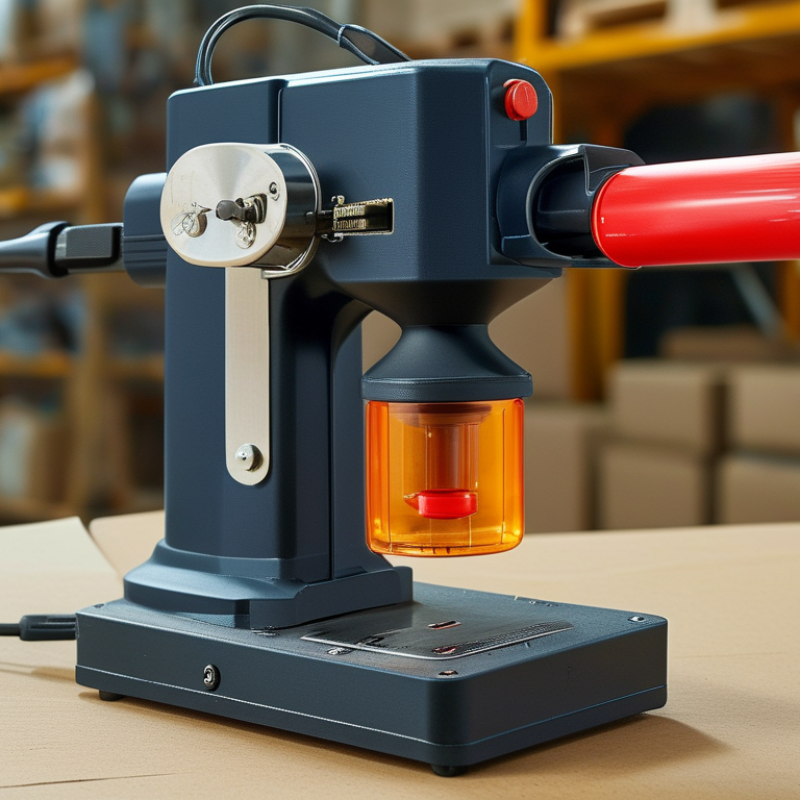
Define Your Sealing Requirements and Product Specifications
Before comparing sealing machines, describe exactly what must be sealed. Record package material, thickness, width, length, and filling level. A thin polyethylene pouch behaves differently from a laminated film bag. Note whether the product is dry, dusty, oily, or moisture-sensitive. Measure the heaviest and lightest packs, not only the average. This simple range often exposes machines that look suitable online.
Specify the desired seal width, temperature range, sealing time, and production speed. A 10 mm seal at 25 packs per minute creates different demands from a narrow seal at 80 packs. Check the film’s heat-sealing layer and recommended temperature in its technical data. If the film changes seasonally, request practical adjustment tolerance. Do not rely on advertised maximum speed. Real output falls when operators change rolls, clean jaws, or correct crooked bags.
I once reviewed a specification based on pouch width alone. It failed because the filled pouch needed extra clearance. That mistake was avoidable. Include bag dimensions after filling, product temperature, conveyor height, floor space, power supply, and air requirements. Ask for sample testing with your actual packaging materials. Keep records of seal strength, leak results, cycle time, and rejected percentage. Request safety documents, electrical details, and maintenance instructions for your destination market. Leave room for uncertainty. Product variation is real.
Compare Machine Types, Sealing Methods, and Packaging Materials
10 Sealing Machine Buying Tips for Global Buyers
Compare Machine Types, Sealing Methods, and Packaging Materials
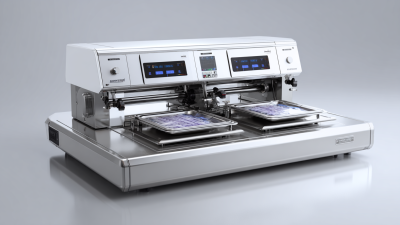
Start with the package, not the machine. A tabletop heat sealer suits low-volume bags and frequent product changes. Continuous band machines fit higher output and steady pouch sizes. For rigid trays, consider tray sealers with controlled pressure. Automatic systems reduce labor, but they need consistent film alignment and trained operators.
Match the sealing method to the packaging material. Polyethylene films often seal at lower temperatures, while laminated structures may need a wider heat range. Impulse sealing works well for thinner films and intermittent production. Constant-heat sealing handles coated materials more evenly. Ultrasonic sealing can reduce heat exposure, yet it may require precise tooling. Ask for real samples, not only technical claims. Small differences matter.
Check seal width, temperature control, conveyor speed, and spare-part access. A narrow seal may fail under rough transport. Excessive heat can wrinkle film or damage a moisture barrier. I once tested a pouch that looked secure but opened after cooling. The setting was too aggressive. That mistake changed our inspection routine. Measure burst strength, peel quality, and leak performance after sealing. Also test different film batches. Materials can vary between suppliers. Confirm voltage, plug format, language settings, and operator training for the destination market. A cheaper machine may become expensive when calibration support is limited. Choose documented performance over impressive promises.
| Tip | What to Compare | Machine Type | Sealing Method | Suitable Packaging Materials | Typical Application | Key Buying Check |
|---|---|---|---|---|---|---|
| 01 | Match the machine with the required production volume. | Hand Impulse Foot-Operated Continuous Band |
Heat sealing through an electrically heated bar or band. | PE, PP, laminated films, and heat-sealable pouches. | Hand impulse models suit small batches; continuous band machines suit repeated production. | Confirm bags per minute, sealing length, duty cycle, and operator loading time. |
| 02 | Choose the sealing principle according to the film structure. | Impulse Sealer Constant-Heat Sealer |
Impulse heat is applied briefly; constant heat maintains a heated jaw or band. | Impulse: PE and many laminated films. Constant heat: thicker thermoplastic films and coated materials. | Impulse sealing is common for general flexible bags; constant heat is useful for heavier or heat-resistant layers. | Ask for the recommended temperature range, dwell time, and compatible film thickness. |
| 03 | Verify whether the material has a heat-sealable inner layer. | Band Sealer Pouch Sealer |
Thermal fusion of the inner thermoplastic layer. | PE, PP, CPP, and laminates containing sealant layers such as PE or CPP. | Flexible food, medical, chemical, and industrial packaging where the sealant layer is specified. | Paper, aluminum foil, PET, and nylon may require a suitable sealant coating or laminate to seal reliably. |
| 04 | Consider vacuum requirements before selecting a sealing machine. | External Vacuum Chamber Vacuum |
Air removal followed by heat sealing. | Vacuum-compatible PA/PE bags, barrier pouches, and other flexible heat-sealable films. | Food, electronics, hardware, and products requiring reduced air exposure. | Compare vacuum level, pump capacity, chamber dimensions, cycle time, and bag compatibility. |
| 05 | Select the sealing width based on package protection needs. | Single-Line Double-Line Multi-Line |
One or more parallel heat-sealed tracks. | Heat-sealable plastic films, laminated pouches, and barrier bags. | Single lines suit general packaging; wider or multiple seals add redundancy and improved barrier performance. | Check seal width, spacing, seal strength, and whether the package requires a tear notch or easy-open feature. |
| 06 | Check package dimensions and product shape. | Horizontal Band Vertical Band Impulse Bar |
Heat sealing with horizontal or vertical bag movement. | PE, PP, laminated films, and preformed heat-sealable bags. | Horizontal machines are common for dry products; vertical machines are useful for powders, granules, and liquids. | Measure maximum bag width, fill height, product weight, and clearance around the sealing area. |
| 07 | Prioritize sealing performance for moisture, oxygen, and contamination control. | Continuous Band Chamber Vacuum Induction Sealer |
Heat fusion or non-contact induction heating of a foil liner. | Heat-sealable flexible films; foil-lined caps and containers for induction systems. | Food, pharmaceutical, cosmetic, and chemical packaging requiring tamper evidence or barrier protection. | Define the required leak resistance, oxygen barrier, tamper evidence, and applicable packaging regulations. |
| 08 | Confirm compatibility with multilayer and coated packaging. | Constant-Heat Ultrasonic Impulse |
Thermal sealing or mechanical vibration that generates localized heat. | Multilayer films, coated nonwovens, and selected contaminated or particulate-filled packages. | Ultrasonic systems can be useful where reduced external heat or improved sealing through minor contamination is needed. | Request trials using the actual film structure, coating, thickness, filling material, and production speed. |
| 09 | Evaluate control, repeatability, and quality monitoring. | Temperature-Controlled Programmable Servo-Assisted |
Controlled temperature, pressure, dwell time, and conveyor speed. | Most heat-sealable films when the process window is correctly established. | Export production, regulated products, and operations requiring consistent seal quality. | Look for digital temperature control, pressure adjustment, alarm functions, data logging, and seal-test procedures. |
| 10 | Compare total ownership cost rather than purchase price alone. | Manual Semi-Automatic Automatic |
Varies by machine configuration: impulse, constant heat, band, vacuum, or induction. | Selected according to the packaging line and the sealant layer of the material. | Manual equipment suits flexible production; automatic systems suit stable, high-volume packaging lines. | Include energy use, replacement heaters, PTFE belts, cutting blades, maintenance, spare parts, training, and local electrical standards. |
Evaluate Speed, Accuracy, Durability, and Operating Performance
10 Sealing Machine Buying Tips for Global Buyers
Global buyers should evaluate a sealing machine beyond its advertised cycle rate. Speed matters only when seals remain consistent. Ask for tested output using your actual pouch material, width, and filling level. A machine may claim 30 packs per minute, yet slow sharply with irregular bags. Request a timed trial. Record start-up time, changeover time, and recovery after a jam. These figures reveal operating performance better than a brochure.
Accuracy begins with temperature, pressure, and dwell-time control. Check whether operators can adjust each setting precisely and read it clearly. Inspect sample seals for wrinkles, channels, burns, and weak corners. A reliable unit should produce similar results across an eight-hour shift. It should also handle normal voltage variation with suitable protection. Small errors become expensive at global scale. Ask for calibration records, inspection procedures, and clear acceptance tolerances.
Durability depends on frame construction, heater life, conveyor alignment, and access to replacement parts. Look for guarded moving areas and simple cleaning points around the sealing bar. During a factory test, listen for unusual vibration and observe heat buildup. Quiet running helps. Still, noise alone proves little. Ask about maintenance intervals, technician training, and documented service response times in your region. I have seen buyers focus on speed, then regret difficult film changes. That weakness deserves honest attention before purchase. Ensure manuals, electrical requirements, and safety instructions match your workplace and local standards.
Check Global Compliance, Voltage, Safety, and Service Support
Global buyers should treat compliance as a purchasing requirement, not a paperwork detail. Ask for the machine’s declaration of conformity, risk assessment, wiring diagrams, and test records. ISO 12100 supports machinery risk assessment, while IEC 60204-1 addresses electrical equipment safety. For food-contact packaging, verify applicable national rules, such as EU Regulation 1935/2004 or relevant U.S. requirements. Do not accept a familiar compliance logo without checking its scope, issuer, and validity.
Voltage errors create expensive problems. IEC 60038 defines standard supply voltages, but local installations still differ in phase, frequency, and plug design. Confirm voltage, amperage, 50 or 60 Hz operation, earthing, and connector type before ordering. A 220 V machine may not suit every 220 V site. Request a nameplate photo and a written electrical specification. Small details matter.
Safety deserves more attention. The ILO report A Call for Safer and Healthier Working Environments (2023) estimates 2.93 million work-related deaths annually worldwide. That figure is not sealing-machine specific, but it shows why guarding, emergency stops, heat protection, and lockout procedures need verification. Check replacement-heater availability, remote troubleshooting, manuals, training, and response times. Ask for regional service coverage and spare-parts lead times. Cheap equipment can become costly after one failed controller. I have seen buyers focus on purchase price and overlook downtime. That judgment is understandable, but incomplete. Insist on a documented acceptance test before shipment.
Assess Total Cost, Supplier Reliability, and Purchase Terms
10 Sealing Machine Buying Tips for Global Buyers
A low purchase price can hide expensive downtime, installation, and import charges. Build a total-cost sheet covering machine price, freight, duties, commissioning, training, utilities, film waste, spare parts, and labor. UNCTAD’s Review of Maritime Transport 2023 notes that ships carry over 80% of global merchandise trade by volume. Therefore, freight delays and port handling can materially change your landed cost.
Ask suppliers for documented energy use, sealing-speed tests, temperature ranges, and maintenance intervals. Request sample seals using your actual packaging materials. Factory acceptance testing should record reject rates, cycle speed, safety checks, and changeover time. A supplier’s claimed MTBF means little without test conditions. I have seen impressive quotations fail after installation because local voltage and film thickness were ignored.
Check company registration, export history, technical staffing, and customer references in similar climates. The World Bank’s 2023 Logistics Performance Index evaluates customs, infrastructure, logistics services, shipment quality, tracking, and timeliness on a 1–5 scale. Use these factors when judging delivery risk, not just promised lead time. Clarify warranty coverage, response times, remote support, spare-parts stock, and operator training.
Payment terms deserve equal scrutiny. Define deposit percentages, inspection milestones, balance payment, delivery documents, and remedies for delays. ICC Incoterms 2020 should identify responsibility for transport, insurance, customs, and risk transfer. Avoid paying the full balance before testing. That sounds obvious, yet it still happens. Keep specifications, drawings, software access, and acceptance criteria inside the contract, not only in emails.
10 Sealing Machine Buying Tips for Global Buyers
Assess total cost, supplier reliability, and purchase terms before comparing machine prices.
This planning benchmark ranks the practical areas buyers should verify. Total landed cost includes freight, duties, installation, training, spare parts, and payment fees—not only the equipment price. Supplier reliability and clearly defined purchase terms help reduce delivery, quality, and after-sales risks.
Related Posts
-
Sealing Machine Market Trends for 2025 and Insights into the Future of Packaging Solutions
-

Ultimate Guide to Choosing the Right Sealing Machine for Your Business Needs
-
Unlocking the Specifications of Advanced Sealing Machines for Global Buyers
-
How to Select Reliable Manufacturers for Food Tray Sealing Machines 7 Expert Tips
-
Unlock Global Opportunities: Sealing Machine Innovations at the 137th Canton Fair 2025
-
Ultimate Guide to Choosing the Best Food Tray Sealing Machine for Your Business