Top Sealing Machine Manufacturers for Global Buyers
Choosing the right sealing machine can shape product safety, production speed, and long-term operating costs. Global buyers often compare manufacturers across different markets, materials, and technical standards. A machine that performs well in one factory may struggle elsewhere.
This guide examines leading sealing machine manufacturers through practical purchasing criteria. These include sealing accuracy, compatible packaging materials, temperature control, output capacity, and equipment durability. Factory trials matter. A clear seal on a sample pouch is useful, but consistent results after eight hours matter more. Buyers should also review installation support, spare-parts availability, operator training, and response times for technical service.
Reliable manufacturers usually provide detailed specifications, test records, and transparent warranty terms. They can explain how their equipment handles different film thicknesses, pouch sizes, and production speeds. Strong suppliers also discuss cleaning access, energy use, safety controls, and maintenance intervals. Documentation should be clear enough for engineers and production managers to verify.
Still, no ranking is perfect. Marketing language can hide limitations. A lower purchase price may create higher maintenance costs later. Buyers should request product samples, inspect reference installations, and confirm local service coverage before making a decision. These steps reduce uncertainty, although they cannot remove it completely. The best choice depends on the application, budget, workforce, and required production environment. A careful comparison helps global buyers select equipment that is practical, compliant, and dependable.
What Sealing Machines Are and How They Work
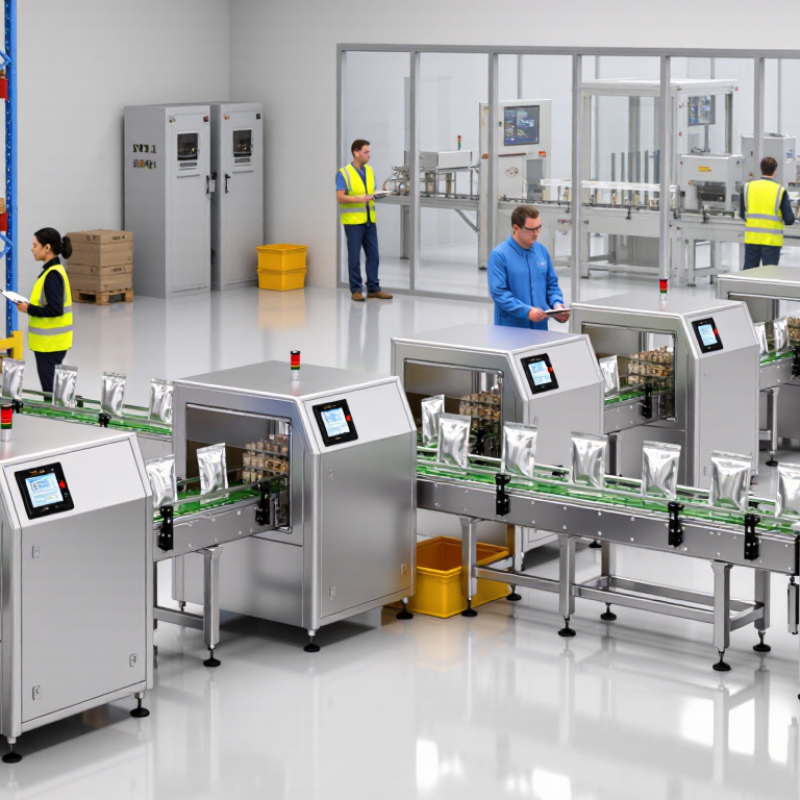
Sealing machines close flexible bags, pouches, trays, and lidded containers. They create a controlled bond across packaging material. Common systems use heat, pressure, or ultrasonic energy. Impulse sealers heat briefly, while continuous-band units seal moving film. Ultrasonic models vibrate the material at high frequency. The process is precise, but not magical.
A typical heat sealer presses film between heated jaws. Heat softens the inner layers, and pressure joins them. Cooling then stabilizes the seal. Operators must match temperature, dwell time, and pressure with the film structure. Too little heat causes channels and leaks. Too much heat can wrinkle or burn the package. That detail matters. The result is visible.
MarketsandMarkets reported that the global packaging machinery market could grow from about 45.9 billion dollars in 2023 to 58.2 billion dollars by 2028. The report links growth with automation, flexible packaging, and higher production efficiency. Smithers also estimates that global flexible packaging demand will continue expanding through this decade. These figures explain rising interest in reliable sealing equipment. Yet reports rarely show the factory floor. Dust, uneven film tension, and rushed changeovers still create failures. Seal inspection, peel testing, and regular jaw cleaning remain essential. A machine can meet its specification and still disappoint when operators ignore material variation.
Key Types of Sealing Machines for Different Packaging Needs
Packaging lines rarely need one universal sealing machine. The right choice depends on film structure, product temperature, bag size, and production speed. Impulse sealers suit polyethylene and laminated pouches in small or medium batches. They create a clean seal with controlled heat and pressure. Operators can adjust settings for thin films, but careless timing may wrinkle the edge.
Continuous band sealers work better for frequent production and heavier filled bags. They move packages through heated belts, producing consistent horizontal or vertical seals. A date coder can be added when traceability matters. These machines need steady film alignment. Even a small product spill can weaken the seal.
Vacuum sealers remove air before closing bags, helping protect foods, powders, and moisture-sensitive goods. Induction sealers create tamper-evident closures on compatible containers, especially bottles and jars. Ultrasonic sealers may help with heat-sensitive materials, although their setup can be less forgiving. Test real packaging samples before purchasing. Laboratory film results can mislead. I have seen excellent seals fail after vibration, cold storage, or rough handling. Maintenance access also deserves attention, because a machine that is difficult to clean may slow the whole line. Sealing strength, leak testing, spare parts, and operator training should influence the decision as much as quoted speed.
How to Evaluate Sealing Machine Manufacturers Worldwide
When evaluating sealing machine manufacturers worldwide, begin with evidence, not polished catalogs. PMMI reported that U.S. packaging machinery shipments reached about $11.3 billion in 2023. This indicates strong demand, but demand alone does not prove supplier quality. Ask for production records, installation references, and documented seal-test results from comparable materials.
Inspect the machine in operation. Watch film tracking, temperature recovery, changeover time, and rejected packages. Request a factory acceptance test using your actual pouch structure and filling speed. A reliable manufacturer should explain sealing pressure, dwell time, and control tolerances clearly. ISO 9001 certification is useful, but it cannot replace process evidence. Check calibration records, spare-parts availability, remote support hours, and technician response targets.
Consider total ownership cost, not only the quotation. Energy use, tooling changes, maintenance labor, and downtime can outweigh a low purchase price. The International Energy Agency continues to identify industrial efficiency as a major cost and emissions issue, making power consumption worth measuring during trials. A supplier promising zero defects deserves careful questioning. Real production is messier. Materials vary, operators make mistakes, and seals sometimes fail. Evaluate how the manufacturer investigates those failures, shares corrective actions, and updates the design. Insist on written performance criteria, training records, warranty terms, and an acceptance process that protects both sides.
| Evaluation Dimension | Common Machine Category | Typical Industry Benchmark | What Global Buyers Should Verify | Importance for Supplier Selection |
|---|---|---|---|---|
| Packaging Format | Continuous band sealer, impulse sealer, vacuum sealer, induction sealer, tray sealer, or vertical form-fill-seal machine | Equipment should match the package structure, film type, product condition, and required production volume | Request sample packaging trials using the actual pouch, bag, bottle, tray, cap, or laminate material | Prevents poor seals, product leakage, film damage, and unsuitable machine purchases |
| Sealing Speed | Continuous band sealing | Approximately 8–30 m/min | Confirm whether the stated speed is measured under empty-load conditions or with the buyer's actual product and packaging | Shows whether the machine can meet the required production rate without reducing seal quality |
| Sealing Width | Band, impulse, and vertical sealing equipment | Commonly 2–15 mm, depending on machine design | Check the actual seal width, sealing consistency, and compatibility with the film thickness | Affects package strength, appearance, and resistance to leakage |
| Temperature Control | Impulse, constant-heat, band, and tray sealing machines | Typically about 80–300°C, depending on the sealing material | Look for adjustable temperature settings, stable heat control, sensor accuracy, and over-temperature protection | Stable temperature is essential for repeatable seals and protection of heat-sensitive packaging |
| Supported Packaging Materials | Heat-sealable plastic films, laminated films, coated papers, aluminum foils, and compatible trays | Compatibility varies by material structure, coating, thickness, and sealing layer | Verify compatibility with PE, PP, PET laminates, aluminum foil structures, paper-based materials, and compostable films where applicable | Reduces the risk of weak seals, film shrinkage, scorching, or delamination |
| Electrical Configuration | Small bench-top units and industrial automatic systems | Common options include 110/120 V or 220/240 V; industrial systems may use 380/400 V three-phase power | Confirm voltage, phase, frequency, plug type, rated power, and local electrical compliance before ordering | Ensures safe installation and avoids costly electrical modification at the destination site |
| Construction and Hygiene | Food, pharmaceutical, chemical, and general industrial sealing systems | Stainless-steel contact surfaces are commonly preferred for washdown areas and hygienic production environments | Inspect frame material, weld quality, accessibility for cleaning, corrosion resistance, and protection against dust or moisture | Important for hygiene, durability, maintenance time, and regulatory inspections |
| Control and Automation | Manual, semi-automatic, and fully automatic sealing systems | Typical functions include digital temperature control, conveyor adjustment, counters, alarms, and emergency stops | Evaluate user-interface language, recipe storage, sensor functions, integration options, and compatibility with upstream or downstream equipment | Influences labor requirements, operating consistency, and future production expansion |
| Quality Management | Manufacturers serving domestic and export markets | ISO 9001 certification is a commonly recognized quality-management reference; certification should be independently verified | Request a current certificate, scope of certification, factory audit records, inspection procedures, and traceability documents | Provides evidence of controlled production and documented quality processes |
| Export Compliance | Machines supplied to different international markets | Requirements may include CE marking for applicable European-market equipment, electrical safety documentation, and destination-country requirements | Ask for the declaration of conformity, risk assessment, wiring diagrams, user manual, and applicable test reports | Helps reduce customs, installation, workplace-safety, and liability risks |
| Testing and Acceptance | All automated and semi-automated sealing equipment | Factory acceptance testing should use production-representative materials and operating conditions | Define measurable criteria such as seal strength, leak rate, throughput, temperature stability, reject rate, and uptime | Creates an objective basis for approving the machine before shipment and payment completion |
| Spare Parts Availability | Heaters, thermocouples, belts, knives, sealing jaws, vacuum pumps, sensors, and controllers | Critical consumables and replacement parts should be identifiable and available for the expected service life | Request a spare-parts list, part numbers, recommended stock levels, prices, and estimated delivery times | Reduces downtime and improves long-term operating reliability |
| Technical Support | Export-oriented machine suppliers | Support may include remote commissioning, installation instructions, troubleshooting documents, and operator training | Confirm response times, support languages, video-assistance capability, local service coverage, and escalation procedures | Strong support is especially important when the machine is installed far from the manufacturing site |
| Warranty Terms | Industrial sealing equipment | A 12-month warranty from shipment or commissioning is common, subject to contract terms | Clarify coverage, exclusions, labor costs, freight responsibility, replacement procedures, and warranty start date | Allows buyers to compare the real ownership risk instead of comparing headline prices only |
| Total Cost of Ownership | Entry-level, mid-range, and high-throughput systems | Purchase price is only one component; energy use, labor, consumables, maintenance, downtime, and spare parts also affect total cost | Request a five-year cost estimate based on operating hours, production volume, electricity rates, maintenance intervals, and labor requirements | Identifies the most economical solution over the machine's actual service life |
Leading Manufacturer Regions and Their Industry Strengths
Top Sealing Machine Manufacturers for Global Buyers
China has become a major manufacturing region for sealing equipment. Its strengths include broad product ranges, flexible customization, and competitive production costs. Many factories support impulse, continuous-band, vacuum, and heat-sealing applications. Buyers can often request stainless steel frames, adjustable temperatures, or conveyor changes. Factory audits still matter. Documentation quality can vary between suppliers.
Germany and Italy are known for engineering precision and stable machine performance. Their equipment often suits pharmaceutical, food, and industrial packaging lines. Robust frames, accurate temperature control, and detailed safety systems are common strengths. These machines may require higher investment, but maintenance planning is usually clearer. Spare-part availability should be checked before ordering.
Japan and the United States offer strong automation expertise and process integration. Their systems may connect with sensors, weighing units, coding equipment, and production software. This helps manufacturers reduce manual handling and monitor sealing consistency. However, advanced equipment can increase training demands. The interface may look simple, yet setup requires skilled operators.
No region is perfect. A reliable comparison should examine seal width, film type, throughput, power standards, and after-sales response. Request sample tests using the actual packaging material. Ask for test records, installation guidance, and measurable acceptance criteria. I have seen attractive specifications fail when film thickness changed. That detail is easy to miss. Regional strengths matter, but practical validation matters more.
Global Buying Factors: Quality, Compliance, Service, and Cost
Choosing among top sealing machine manufacturers requires more than comparing listed prices. Global buyers should examine sealing consistency, machine construction, and production evidence. Ask for sample tests using your actual film, pouch size, and product weight. A stable seal should remain even across repeated cycles. Small wrinkles can become costly leaks.
Quality also depends on documented compliance. Reliable manufacturers should provide electrical test reports, material declarations, operating manuals, and traceable component records. Requirements vary by destination, so buyers must verify applicable safety and packaging rules before ordering. Guarding, emergency stops, temperature controls, and clear warnings deserve close inspection. Do not accept vague claims.
Service often separates a workable purchase from a frustrating one. Confirm response times, spare-part availability, remote diagnosis, installation support, and technician training. Request a realistic maintenance schedule, not a generic brochure. Cost matters, but the lowest quotation may exclude tooling, shipping, commissioning, or replacement heaters. Calculate the full operating cost over several years. Energy use and rejected packages matter.
Factory visits or live video inspections can reveal useful details. Look for organized testing areas, calibration records, and operators who understand failure causes. No supplier is perfect. Even experienced buyers can overlook local voltage, language, or import documentation. A careful comparison sheet helps expose those gaps before payment. Supplier references should come from similar production environments, not only large showcase projects.
Related Posts
-
10 Sealing Machine Buying Tips for Global Buyers
-

Sealing Machine Market Trends for 2025 and Insights into the Future of Packaging Solutions
-
Unlock Global Opportunities: Sealing Machine Innovations at the 137th Canton Fair 2025
-
Ultimate Guide to the Best Food Tray Sealing Machine: Key Specifications and Step-by-Step Tutorial
-

Best Food Tray Sealing Machine for Efficient Packaging?
-
How to Select Reliable Manufacturers for Food Tray Sealing Machines 7 Expert Tips