What Are the Top Types of Sealing Machines in 2026?
In 2026, choosing a sealing machine means matching the equipment to the package, product, and pace of production. A hand-operated impulse sealer may suit short runs and simple plastic pouches. A continuous band sealer can keep bags moving across a worktable with less stopping. Vacuum machines remove air before sealing, while tray sealers close ready-made containers for prepared foods and other products. Induction sealers bond foil liners inside compatible caps. Each type solves a different problem.
The details show up on the production floor. Film thickness, seal width, pouch dust, and operator training can all affect the finished seal. A machine that looks fast in a demonstration may need adjustment when real packaging enters the line. Small details matter. Buyers should check the materials a machine supports, its sealing temperature and speed controls, cleaning requirements, and the availability of service and spare parts. For high-volume operations, consistent seals and easy integration may matter more than a low purchase price. For smaller businesses, a compact machine with straightforward controls may be the better fit.
This guide compares the leading types of sealing machines and explains where each one tends to work best. It also considers practical limitations, because equipment categories can overlap and a first shortlist is not always right. Product trials, when available, can reveal issues that a specification sheet misses. The goal is a clearer, evidence-minded starting point—not a promise that one machine fits every line.
How Sealing Machines Are Classified by Sealing Method
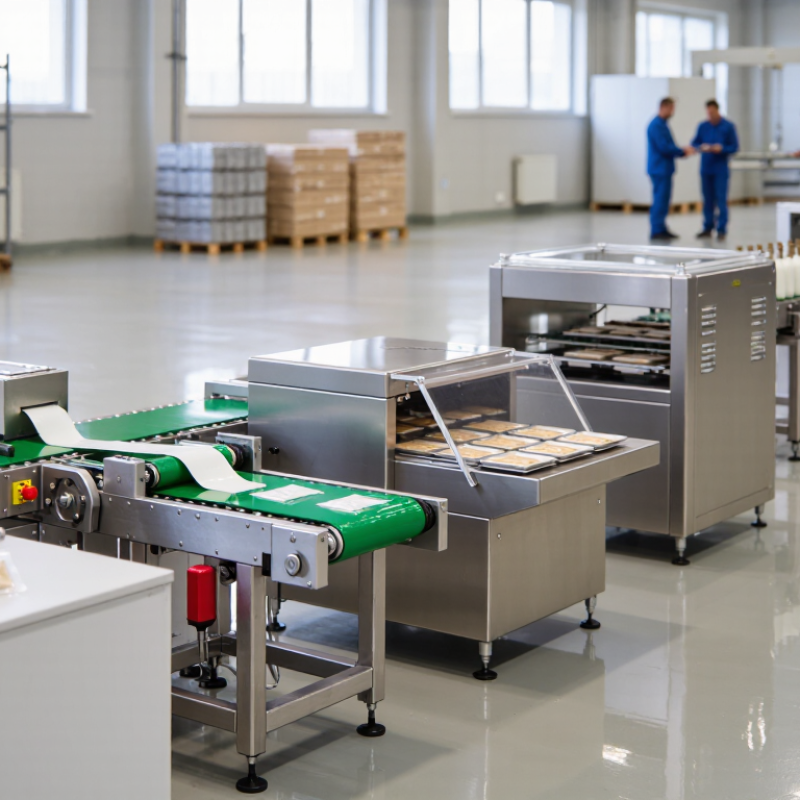
Sealing machines are best classified by how they form a closure, not by their frame or conveyor. Heat-bar and continuous-band machines melt compatible plastic layers with controlled heat and pressure. Impulse sealers apply heat in short pulses, making them practical for small batches and thin pouches. Ultrasonic machines use vibration and pressure. They can help when excess heat may damage nearby contents, though seal quality still depends on material and setup.
Induction sealers bond a foil liner to a container opening using an electromagnetic field; they suit compatible capped containers, not every package. Vacuum and gas-flush machines remove or replace air before sealing, usually with heat. That distinction matters: vacuum describes the package environment, not the actual joining method. There is overlap.
Fortune Business Insights valued the overall packaging machinery market at about USD 52.64 billion in 2023 and projected USD 79.91 billion by 2032 in its Packaging Machinery Market report. That figure covers far more than sealers, so it should not be read as a sealing-machine market estimate. For equipment selection, compare seal strength, package material, cycle speed, and changeover needs. A fast machine can still produce inconsistent seals when film thickness or temperature drifts. Sometimes the simple test is the most revealing.
What Are the Top Types of Sealing Machines in 2026? — How Sealing Machines Are Classified by Sealing Method
| Sealing Machine Type | Sealing Method | Typical Packaging | Common Applications | Key Advantages | Important Considerations |
|---|---|---|---|---|---|
| Impulse Heat Sealer | A heated element warms the seal area only while the sealing jaws are closed; the seal cools under pressure. | Thermoplastic bags and pouches, including polyethylene and compatible laminated films. | Small-batch packing, retail products, samples, and general-purpose bag sealing. | Heats on demand, so the sealing element does not need to remain continuously hot between cycles. | Seal quality depends on suitable film, correct temperature or power, dwell time, and pressure. |
| Constant-Heat Bar Sealer | Continuously heated bars apply heat and pressure to create a seal. | Heat-sealable films and heavier or multi-layer materials compatible with the machine settings. | Production environments requiring repeated seals or materials that need sustained heat. | Consistent heat is available for successive sealing cycles. | Requires warm-up and careful temperature control; settings must match the packaging material. |
| Continuous Band Sealer | Conveyors move packages through heated sealing blocks or bands, followed by pressure rollers. | Preformed thermoplastic bags and pouches. | Repeated sealing of filled bags in food, consumer goods, and industrial packing operations. | Supports a continuous workflow and can seal many bags without stopping for each package. | Bag orientation, seal width, conveyor speed, and material compatibility affect results. |
| Vacuum Chamber Sealer | Air is removed from a chamber containing the package; heat-sealing bars then seal the bag before the chamber returns to normal pressure. | Vacuum-compatible bags, including suitable barrier and textured packaging materials. | Food packaging, laboratory use, and applications where reducing air in the package is required. | Combines air removal and bag sealing in a controlled chamber cycle. | Not all products or bags are suitable for vacuum packaging; chamber size limits package dimensions. |
| Rotary or Continuous Heat Sealer | Rotating heated wheels or rollers apply heat and pressure as packaging material passes through. | Compatible films, webs, and certain formed packaging formats. | Automated packaging lines that require continuous longitudinal or transverse seals. | Can integrate with material handling and form-fill-seal equipment for continuous production. | Requires accurate alignment and synchronized speed, temperature, and pressure settings. |
| Ultrasonic Sealer | High-frequency mechanical vibrations generate heat at the material interface, forming a seal under pressure. | Compatible thermoplastic films, nonwovens, and selected multilayer materials. | Automated packaging and applications where a localized seal or short sealing cycle is useful. | Applies energy at the seal area and can be integrated into automated equipment. | Material structure and thickness determine suitability; tooling and process settings require validation. |
| Induction Sealing Machine | An electromagnetic field heats a foil liner in a container closure; the liner bonds to the container opening. | Containers with compatible foil-lined caps, commonly plastic or glass bottles and jars. | Packaging products that require a bonded inner seal beneath the cap. | Seals the container opening without direct contact between the induction head and foil liner. | Requires compatible closures, liners, container materials, and correctly controlled line settings. |
| Shrink Sealer | Heat seals shrink film around a product or bundle; a separate heat source or tunnel then shrinks the film. | Compatible shrink films such as polyolefin, PVC, or polyethylene, depending on the equipment and application. | Product bundling, multipacks, and protective retail packaging. | Combines package closure with a close-fitting film presentation. | Sealing and shrinking are distinct process steps; film selection and heat exposure must suit the product. |
Related Posts
-
10 Sealing Machine Buying Tips for Global Buyers
-
What Is a Sealing Machine and How Does It Work?
-
Sealing Machine Market Trends for 2025 and Insights into the Future of Packaging Solutions
-
Top Sealing Machine Manufacturers for Global Buyers
-
What Is the Best Sealing Machine for Global Buyers in 2026?
-
Unlock Global Opportunities: Sealing Machine Innovations at the 137th Canton Fair 2025